
3D Rendering vs. Product Photography: Which to Choose
In an increasingly digital marketplace, choosing between traditional product photography and 3D rendering isn’t always straightforward. Photography captures real textures and evokes authenticity, making it ideal for organic goods or small product lines. 3D rendering, on the other hand, offers unparalleled flexibility, scalability and consistency by turning digital models into realistic images that can be endlessly customized. This article explains what 3D rendering actually is, compares costs, explores the pros and cons of each approach and guides businesses on when to use each method.
Posted By
AndyPosted On
Nov 28, 2025
In the age of e‑commerce and digital marketing, the way a product is presented plays a huge role in whether it ends up in a shopping cart. Businesses can either hire photographers to create photo rendering shots of real products or commission artists to build 3d product photography using computer graphics. At first glance these options seem interchangeable. They both result in beautiful images that can be used across websites, catalogs, and social media. Yet the underlying processes, costs and possibilities differ dramatically. This article compares product photography with 3d rendering product images to help you decide which method suits your goals and budget.
Understanding the Concepts
Before comparing pros and cons, it helps to define what each approach entails. Product photography is the practice of photographing physical objects with cameras and lighting equipment. Traditional studio photography delivers realism and immediate tactile authenticity. Professional photographers set up products, adjust lights and lenses, then capture images that showcase texture and scale. Many businesses still rely on these methods for small product lines or items that require a human touch.
In contrast, 3D rendering of images refers to the process of creating photorealistic pictures from digital 3D models. A rendering artist uses modeling software to build an accurate representation of the item, applies materials and textures, sets up lighting, and then generates a 2D image from the virtual scene. One industry guide explains that rendering “converts a digital 3D model into a high‑resolution picture”. Another source notes that product rendering is used to visualize items before they exist in the physical world and enables marketers to produce consistent imagery across campaigns. When someone asks, “What is a 3D render of a product?”, the answer is simply that it is a realistic digital image generated from a 3D model to showcase the design, materials and features of a product.
What is 3D Rendering of Images?
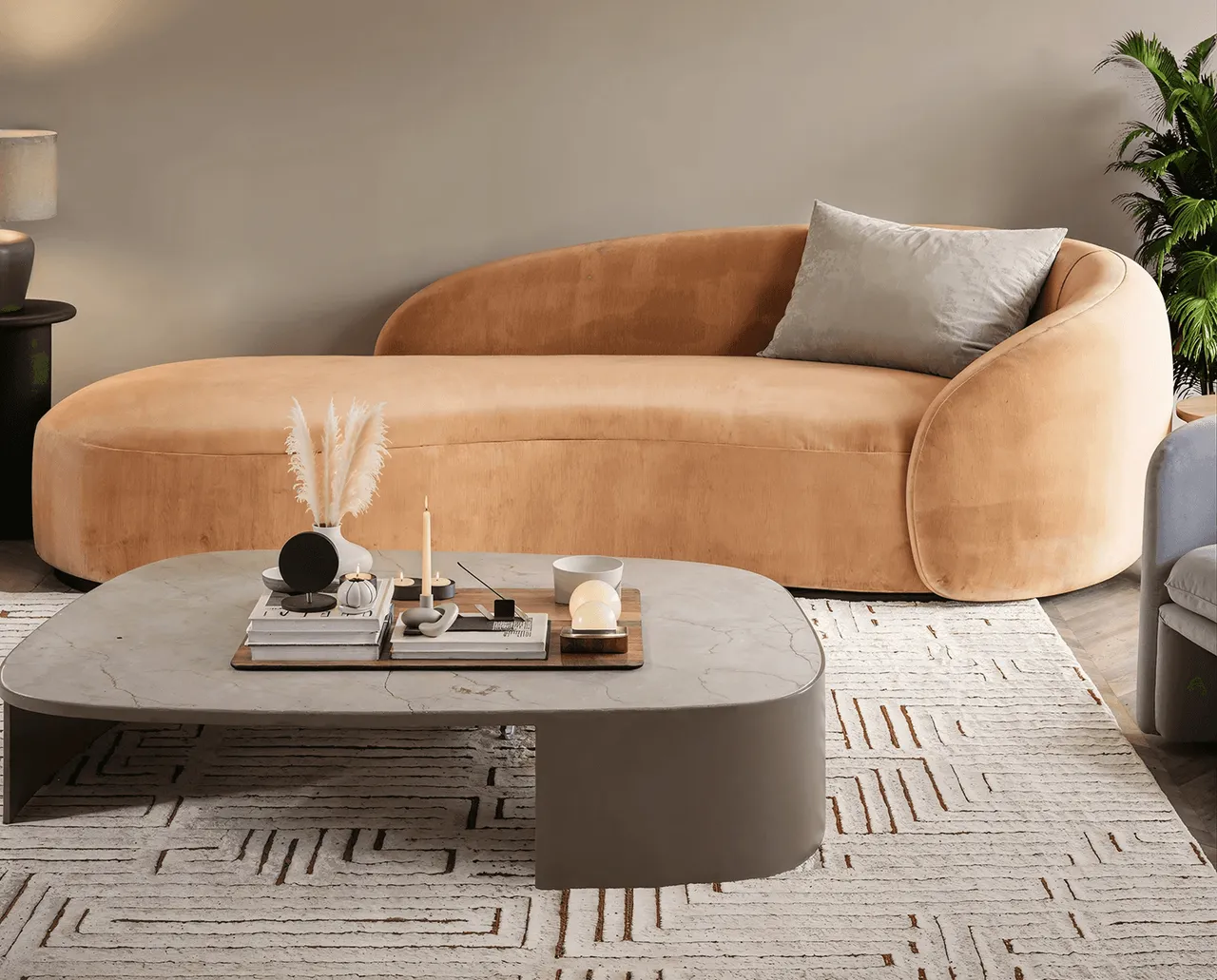
Beyond consumer goods, 3D rendering also covers environments and architecture. Architects routinely commission exterior 3D rendering to preview new buildings before construction. In the context of products, 3D rendering replaces photography with computer‑generated visuals. Artists manipulate models in software instead of moving physical objects on a studio table. Because of this, 3D renders can showcase variations, cutaway views, exploded diagrams or color options that would be impossible or cost‑prohibitive to photograph. They also offer perfect consistency in lighting and background across hundreds of SKUs. A guide comparing rendering to photography highlights that digital renders can adjust materials, colors and angles at any time without scheduling another shoot.
The Benefits of Traditional Product Photography
Despite advances in 3D rendering, there are still compelling reasons to invest in product photography. The primary advantage is realism. Real objects behave like real objects; fabrics drape, surfaces reflect light, and organic textures like leather and food appear authentic. Experts explain that photography excels with organic materials and when tactile qualities matter. When marketing handcrafted furniture, apparel or gourmet foods, showing the actual item creates trust and emotional appeal. Capturing spontaneous human interaction with a product – someone using a sofa or biting into a pastry – reinforces its value and cannot be fully replicated in 3D.
Photography also offers speed for small projects. If you have a handful of new products, booking a photographer and a one‑day shoot may be faster than commissioning a detailed 3D model. A concise photoshoot can produce multiple angles in one session, and short‑term costs may be lower because there is no modeling phase. According to one industry analysis, photography provides a quick solution for small product lines where the ROI on building 3D models is limited. For time‑sensitive campaigns or limited product runs, conventional photographs are a practical choice.
Limitations of Product Photography
However, photography has significant constraints that become apparent as product lines grow. Organizing a professional shoot requires coordination of studio space, equipment, shipping, props and personnel. When products come in dozens of colors or finishes, each variant must be physically produced and photographed, resulting in high costs and logistical headaches. This inefficiency is noted in multiple guides which point out that photography scales linearly with every item you add; you pay for studio time, photographer fees, lighting setups and product shipping each time. If you later need a different background or angle, you must schedule another shoot.
Traditional photography also lacks flexibility. Changing a fabric color, adding a logo, or depicting an exploded view is nearly impossible without producing new physical samples. In contrast, 3D renders allow you to swap materials and edit geometry on the fly. Consistency is another challenge: keeping lighting and camera positions identical across hundreds of SKUs is difficult for even the best photographers. 3D rendering ensures perfect uniformity because lights and cameras are controlled digitally.
Finally, the environmental impact of shipping products to and from studios and building physical sets should not be overlooked. One comparison notes that traditional photo shoots require packaging, transport and waste, while digital rendering eliminates shipping and reduces carbon footprint. This sustainability factor matters to modern brands focused on eco‑friendly practices.
Advantages of 3D Rendering Product Images
When you invest in 3D rendering product images, you gain a toolbox of creative possibilities. Flexibility stands out as the biggest benefit. Once a product is modeled, artists can render unlimited variations by adjusting materials, finishes, camera angles and lighting without physically touching the product. Need to show a couch in every fabric? Simply swap textures. Want a cutaway view to reveal inner components? Hide sections of the model. This adaptability is impossible with photography unless you build dozens of prototypes.
Scalability is another strength. For large catalogs or product families with endless variants, 3D rendering allows you to create one high‑quality base model and then produce thousands of images at minimal additional cost. The same digital asset can generate stills, animations, interactive 360‑degree spins and even augmented reality experiences. As a result, marketing teams can roll out campaigns more quickly. Studies emphasize that rendering speeds up time to market because the visual assets can be produced before the physical product is manufactured.
Modern rendering engines also deliver impressive photorealism. With accurate lighting, materials and cameras, 3d rendered product images can be indistinguishable from photographs. Sources note that the latest technology yields hyper‑realistic images suitable for advertising. While extremely organic or transparent materials may still benefit from real photography, most manufactured products – from electronics to furniture – look stunning in CG.
The cost structure of 3D rendering is different from photography. Instead of recurring studio fees for each variation, you pay an initial modeling fee and then reuse the asset indefinitely. An industry cost guide explains that white‑background hero renders for e‑commerce start around $150 per product with additional color variations costing only tens of dollars. Another resource outlines typical price tiers: basic renders range from $100 to $300 per image, mid‑range from $300 to $700, and high‑end cinematic images can reach $1,500 or more. This prompts the question, “How much does a 3D product render cost?” – the answer varies, but professional stills usually fall between $500 and $1,500 per image, which may seem high until you consider that the same asset can produce countless views and variations.
Finally, 3D renders offer environmental and logistical advantages. Because there are no physical products, there is no shipping, packaging or set construction. Everything happens inside a computer, reducing waste. Digital assets are easy to store and can be accessed globally by design, marketing and sales teams.
Drawbacks of 3D Rendering
While 3D rendering opens doors, it is not a magic bullet. Creating high‑quality 3D models requires skilled artists and can take time, especially for complex items. If you only need a few images and already have the product on hand, a photoshoot may still be cheaper. Some manufacturers of organic goods like food, floral arrangements or textiles find that even the best renders struggle to capture the subtle imperfections and softness that define their products. Humans instinctively notice when something looks “too perfect,” which can work against you when authenticity is key.
Additionally, the initial cost can deter small businesses. Commissioning a detailed model requires collaboration with designers, and not all providers charge the same rates. Some providers may add fees for revisions or complex textures. However, as noted earlier, the cost per image decreases dramatically once the model exists. It’s important to budget for modeling and plan to reuse the asset across marketing materials to maximize ROI.
Costs: Comparing Photography vs 3D Rendering
Let’s look at costs side by side. For product photography, pricing often depends on the photographer’s experience and the scope of the shoot. Guides on photography pricing list per‑image fees ranging from $10 to $150 for simple shots. More experienced photographers charge $75 to $200 per image, and full‑service studios can command $100 to $400 per image. Day rates range from $250 for beginners to $4,000 for top professionals. These figures exclude shipping products, renting props, stylists and retouching, which add to the expense.
By contrast, 3D product rendering often has an upfront modeling cost plus a per‑image fee. Basic renders start around $100 to $300 per shot, mid‑range $300–$700 and high‑end $700–$1,500. According to price guides, white‑background hero renders cost around $150 per product, and the average professional still image in 2025 costs between $500 and $1,500. Once the model is built, additional images cost far less because the asset can be repurposed. Therefore, the break‑even point between photography and rendering depends on how many images you need and how frequently the product line updates.
How to 3D Render Product Photos
If you decide to explore 3D, you might ask, “How to 3D render product photos?” The process involves several stages:
- Modeling: A 3D artist builds a digital model based on reference photos or CAD drawings. This step ensures that dimensions, proportions and details match the real product. Guides recommend using accurate reference materials because modeling quality affects the final render.
- Texturing and materials: The artist applies textures and materials to simulate surfaces like metal, plastic, leather or glass. This involves mapping images onto the model and adjusting attributes such as roughness, reflectivity and color.
- Lighting: Just like in a photo studio, lighting sets the mood. In the digital realm, artists place lights to mimic natural or studio conditions, controlling shadows and highlights. Good lighting is essential for realism.
- Camera setup: Virtual cameras are positioned to capture angles that highlight features. Artists set focal length, depth of field and perspective just as a photographer would.
- Rendering: The computer processes the scene and produces a high‑resolution image. This step can take minutes to hours depending on quality settings and complexity.
- Post‑processing: Final touches like color correction, exposure adjustments and adding backgrounds happen in post. This stage polishes the image for publication.
- Review and iterate: Clients review the images and request tweaks to materials, lighting or composition until satisfied.
While 3D rendering may sound technical, you don’t need to handle it yourself. Many studios specialize in this service and guide clients through the process. If you have in‑house design capabilities, there are also software platforms that streamline photo rendering tasks.
When to Choose Each Approach
So which option is best? The answer depends on your product, budget and goals:
- Choose photography when authenticity and tactile realism matter. Handmade crafts, luxury clothing and culinary products benefit from the organic imperfections and textures captured by a camera. Photography also suits small product runs or limited budgets where commissioning a 3D model is not cost‑effective.
- Choose 3D rendering when you need scalability, flexibility and speed. Large catalogs with many colorways, modular furniture, electronics and custom configurations are ideal for 3D rendering. The ability to create 3d rendered product images before manufacturing reduces time to market. Rendering also enables interactive experiences like 360‑degree spins and augmented reality without additional shoots.
Some businesses adopt a hybrid approach. They use photography for hero shots of flagship products and 3D rendering for variations and educational visuals. For example, a furniture brand might photograph a sofa in a living room but rely on renders for color swatches, exploded views and digital catalogs. Ultimately, the choice is not binary; combining both methods can offer the best of both worlds.
Final Thoughts
In today’s competitive market, visual content must capture attention and communicate value instantly. Both photography and 3D rendering have roles to play. Photography provides unmatched realism and emotional connection when viewers care about texture and human interaction. 3D rendering offers flexibility, scalability and cost efficiency for large catalogs and digital experiences. By understanding the strengths and limitations of each, you can select the right tool for your products and budget. Whether you choose a camera or a rendering engine, invest in quality; your visual assets are the first handshake with your customer.
Related Content
Our 3D Rendering Services
See how Xrender Studio can bring your project to life, from exterior and interior renderings to animation and virtual tours.
Serving projects nationwide